Tips for Creating a Relaxing and Productive Home Workspace
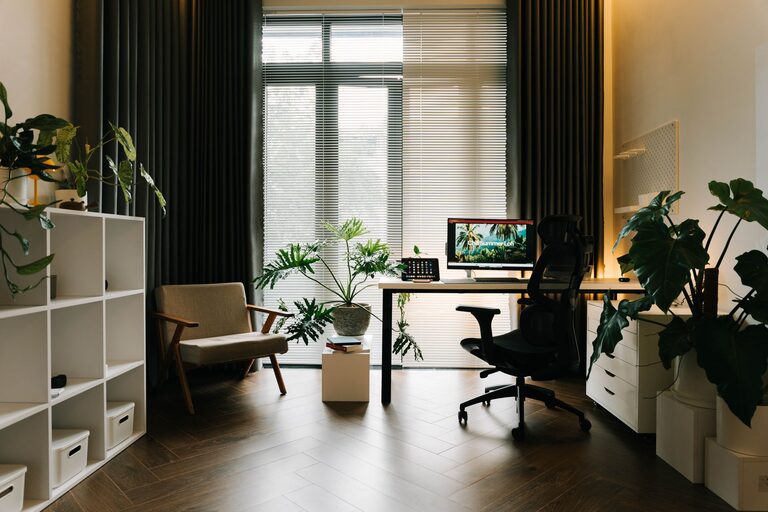
Creating a home workspace that is both relaxing and productive can significantly improve your work-from-home experience. Whether you spend a few hours or a full day working remotely, having a designated area that promotes focus and comfort makes all the difference. In this post, we’ll explore practical tips to help you design a workspace that supports your efficiency without sacrificing relaxation.
Why a Good Home Workspace Matters
Working from home offers flexibility but also comes with challenges such as distractions and difficulty separating work from personal life. A thoughtfully arranged workspace helps establish boundaries, maintain motivation, and reduce stress. This leads to better work quality and overall well-being.
Choose the Right Location
The first step is selecting a suitable spot in your home:
– Quiet and Private: Pick a place away from heavy foot traffic, TVs, or loud appliances.
– Natural Light: Work near a window if possible. Natural light improves mood and reduces eye strain.
– Enough Space: Make sure you have room for your desk, chair, and any tools or devices you need.
Even if space is limited, a small nook or a corner of a room can work well as long as it is dedicated to work.
Invest in Comfortable and Functional Furniture
Comfort is key to maintaining productivity during long hours:
– Ergonomic Chair: Choose a chair with good lumbar support to prevent back pain.
– Adjustable Desk: If possible, use a desk that can adjust for sitting and standing.
– Proper Desk Size: Your desk should accommodate your computer, keyboard, and other essentials without clutter.
Remember that good posture reduces fatigue and improves concentration.
Organize Your Workspace Efficiently
A clutter-free environment enhances focus and reduces stress:
– Minimal Items on Desk: Keep only what you use daily within reach.
– Storage Solutions: Use shelves, drawers, or organizers to keep supplies tidy.
– Cable Management: Use clips or ties to prevent tangled cords that create visual chaos.
Try to develop a routine for tidying up at the end of each day.
Optimize Lighting and Reduce Eye Strain
Proper lighting supports alertness and comfort:
– Combine Natural and Artificial Light: Balance daylight with desk lamps that provide soft, even illumination.
– Avoid Screen Glare: Position your monitor to minimize reflections from windows or lights.
– Use Blue Light Filters: Consider screen protectors or software to reduce eye strain during extended computer use.
Taking regular breaks to rest your eyes also helps.
Personalize Your Space Mindfully
Adding personal touches can make your workspace inviting without distracting you:
– Plants: Small indoor plants improve air quality and add a calming element.
– Art or Photos: Choose inspiring images or meaningful decor.
– Comfort Items: A cozy blanket, a water bottle, or a favorite mug can make work feel more pleasant.
Avoid overly busy decorations that might divert your attention.
Use Tools to Boost Productivity
Technology and tools can streamline your work process:
– Task Management Apps: Tools like Trello or Asana can help keep you organized.
– Noise-Cancelling Headphones: Useful if your environment has unavoidable noise.
– Timer or Pomodoro Technique: Manage your work intervals with breaks to maintain focus.
Experiment to find which tools suit your work style best.
Maintain Good Habits
Even the best workspace needs support from your habits:
– Set a Schedule: Define work hours to separate professional and personal time.
– Take Breaks: Move around regularly, stretch, or step outside for fresh air.
– Stay Hydrated and Nourished: Keep water and healthy snacks available.
These habits prevent burnout and improve overall productivity.
Final Thoughts
Creating a relaxing and productive home workspace involves more than just picking the right furniture—it’s about combining environment, organization, and habits. By choosing a quiet location, investing in ergonomic furniture, managing clutter, optimizing lighting, and personalizing mindfully, you can craft a space where work feels less stressful and more enjoyable. Remember to use helpful tools and maintain work-life balance for the best results.
With these tips, you’re well on your way to a home office that supports both focus and relaxation. Happy working!